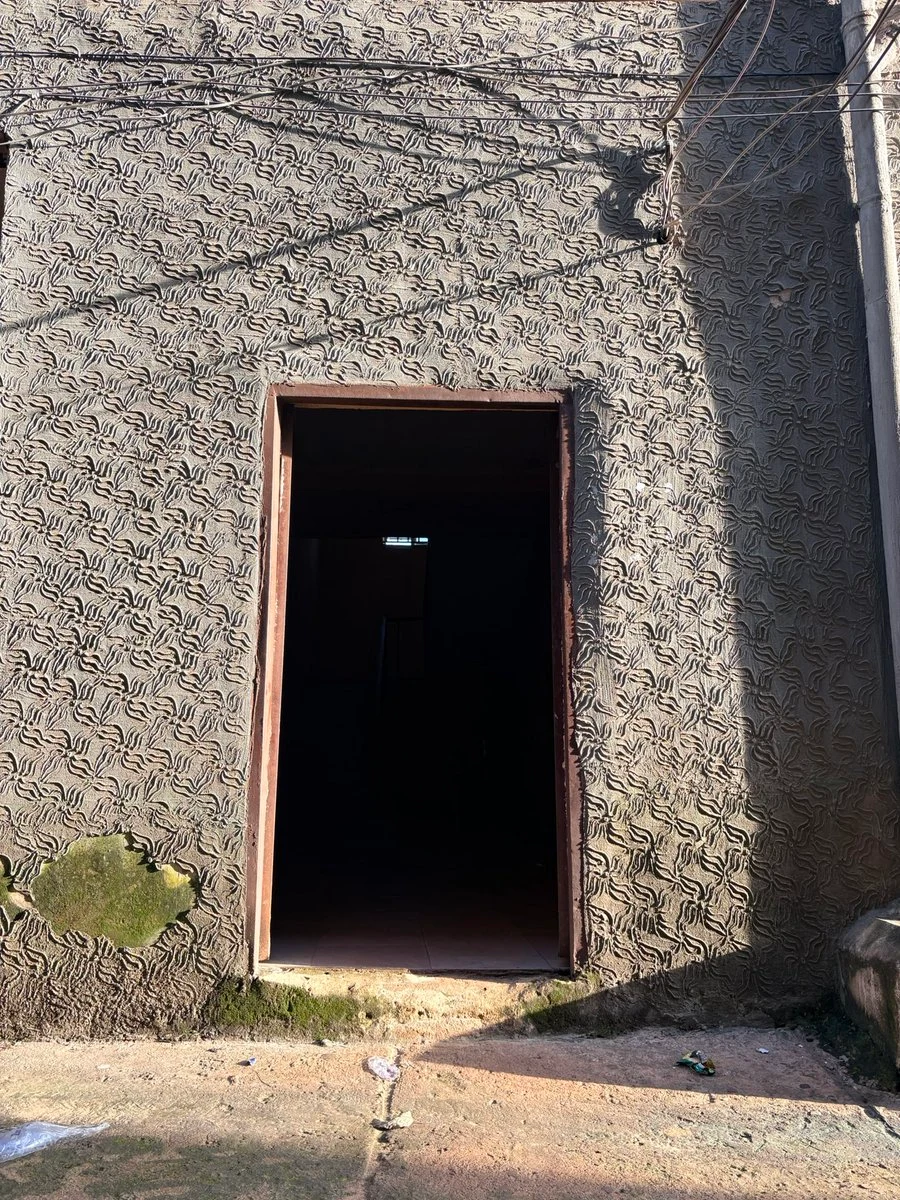
Use the uploaded portrait as the identity reference. Preserve the person's facial structure, skin tone, hair, and age. Change the wardrobe to a charcoal blazer, use a warm gray studio background and soft window light, and create a chest-up professional profile picture. Do not add text, logos, or accessories.
Use case
Image-to-Image AI Generator With Reference Images
Upload a permitted reference image and use a prompt to preserve important faces, products, compositions, or colors while creating a new visual direction with starter credits.
Use an image input when a face, product, composition, or visual system must guide the next generation.
- Use PNG, JPEG, or WebP image input
- Tell the generator what to preserve and change
- Create portrait, product, and composition variations

Visual direction preview
Use an image input when a face, product, composition, or visual system must guide the next generation.
02
Image-to-image prompt examples for portraits, products, and layouts
Each template separates the reference role, locked details, requested change, and review criteria so you can adapt it to a permitted image input.
Read the complete reference-image workflowUse the uploaded product photo as the source of truth for bottle shape, cap, material, color, and label placement. Replace only the environment with a pale stone studio set, add a natural contact shadow and soft side light, and compose a wide ecommerce hero with copy space on the left. Do not invent label text.
Use the uploaded room image as a composition reference. Preserve the camera position, window placement, and furniture layout. Change the palette to light oak, warm white, sage green, and black accents, add soft overcast daylight, and keep the result realistic and uncluttered.
03
Keep the important details while changing the scene
Reference-image generation works best when the prompt separates what must stay consistent from what should change.
Identity-aware
Describe which facial and appearance details should remain recognizable in a permitted portrait reference.
Product-focused
Preserve shape, material, color, and packaging details while exploring a new setting or campaign direction.
Composition-guided
Reuse a layout, pose, palette, or visual hierarchy without treating the source as permission to copy protected work.
04
The reference-image prompt blueprint
A controlled image-to-image prompt names the reference role, the locked details, the requested change, and the final destination.
- 01
Reference role
State whether the input controls identity, product shape, composition, palette, or another specific detail.
- 02
Preserve
List only the details that must remain recognizable and accurate.
- 03
Change
Describe the new setting, pose, crop, light, material, or visual treatment.
- 04
Review
Check identity, product accuracy, text, edges, permissions, and the intended use before publishing.
05
From brief to visual direction
Three focused steps bring the first generation closer to a useful result.
- 01
Upload a permitted reference image
- 02
Lock the important details and describe the transformation
- 03
Generate, review accuracy, and refine one change at a time
06 · FAQ
FAQ
Practical answers about generation, credits, and final production.
When should I use an image-to-image AI generator?
Use image input when identity, product shape, layout, palette, or source composition matters. The prompt should state what to preserve and what to change.
How do starter credits work?
New accounts can start free with included credits. Credits are consumed based on model, size, and generation settings.
FreeGPTBanana · Starter credits included
Turn an existing image into a clearer next direction
Upload a permitted PNG, JPEG, or WebP reference, then explain what to preserve and what to change.